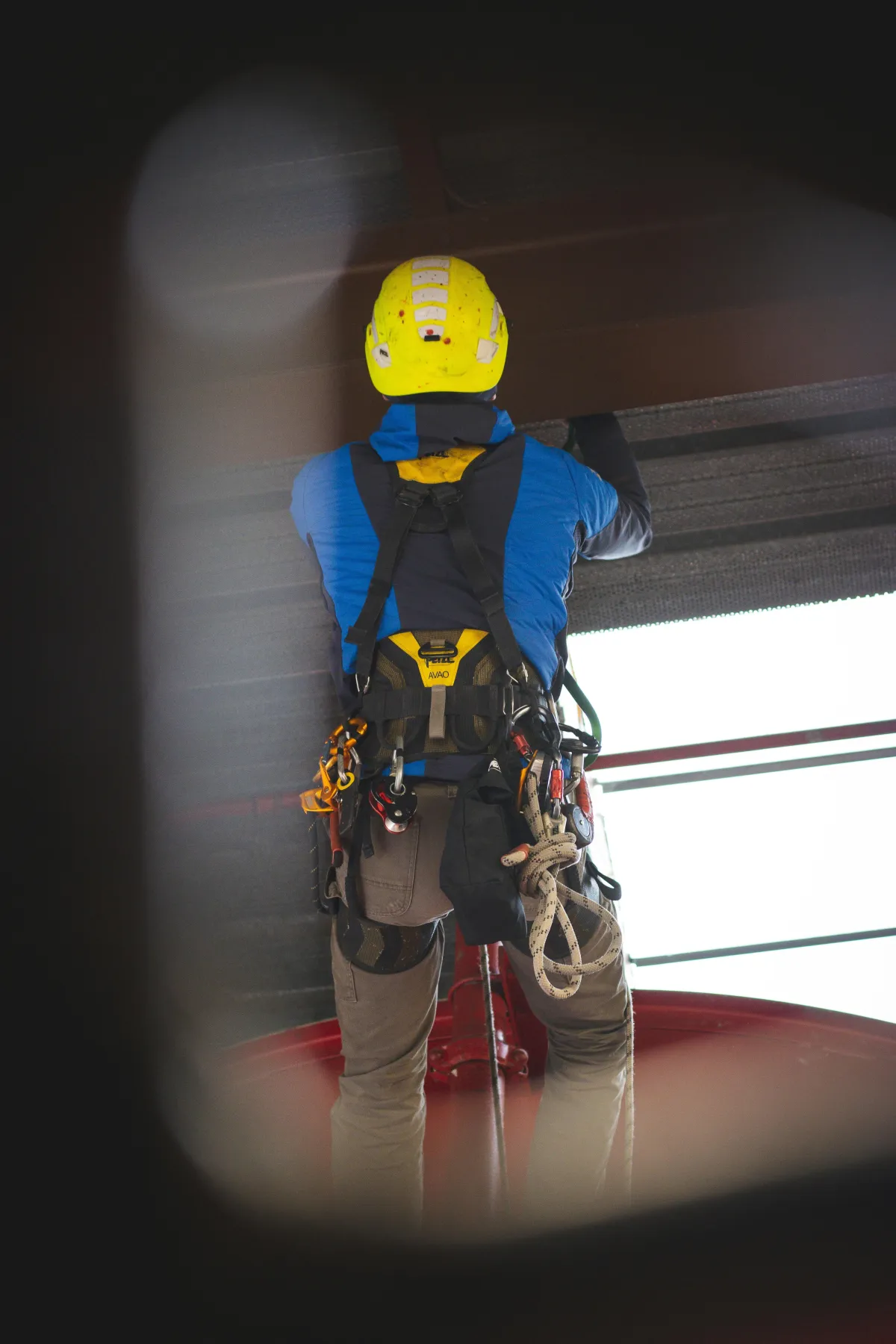
Harness Ratings Explained (In Plain English, Not Manufacturer-Speak)
Harness labels are covered in numbers and codes that mean almost nothing to most people buying one — and that's exactly the problem, because using the wrong rating for the job isn't a small mistake.
Here's the plain version: the rating tells you the maximum working load and the type of fall protection the harness is actually built for — general fall arrest, positioning, restraint, climbing. They're not interchangeable, even though they can look similar hanging on a shelf. A harness rated for one application used in a different one isn't just less effective — it can fail exactly when it matters.
The other thing nobody tells people: harnesses age out even if they look fine. Webbing degrades from sun and wear you can't always see just by looking. If nobody remembers when a harness was bought, that's usually a sign it's overdue for replacement, not a reason to assume it's still good.
I'd rather walk someone through matching the right rating to the actual job than sell whatever's cheapest on the shelf. If you're not sure what your crew's wearing is actually rated for the work they're doing, tell me what the job looks like and I'll help you get it right.
